
While medical astrology is rooted in the same fundamental principles as general astrology, it focuses specifically on health and well-being. Here’s how the two branches differ:
1. Focus Area:
– General Astrology: Primarily concerned with personality traits, life events, career choices, relationships, and the overall trajectory of a person’s life. The birth chart is used to provide insights into the individual’s nature, strengths, and challenges.
– Medical Astrology: Focuses on health, vitality, and physical conditions. The birth chart is analyzed to determine potential health risks, the susceptibility to specific illnesses, and the general state of one’s energy levels and immune system.
2. Zodiac Associations:
– In general astrology, each zodiac sign represents a person’s core identity and tendencies.
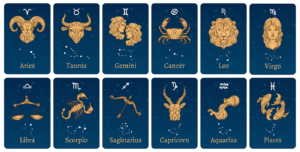
– In medical astrology, each sign is associated with specific body parts and health concerns. The signs are seen as corresponding to organs, tissues, and bodily systems.
3. Planetary Influence:
– In general astrology, planets are seen as influencing personality traits, relationships, and life events.
– In medical astrology, planets are also seen as governing specific organs and systems. For example, the Sun is associated with vitality and the heart, while Mars is linked to inflammation and the immune system.
4. Houses:
– In general astrology, the twelve houses represent different areas of life, from relationships to career to personal growth.
– In medical astrology, the houses are used to assess health-related issues. For instance, the 6th house is closely linked to health and disease, while the 12th house is connected to chronic illnesses or hidden health concerns.
—
Key Elements in Medical Astrology:
- The Twelve Zodiac Signs: As mentioned earlier, each sign of the zodiac corresponds to a particular part of the body. By studying the chart, medical astrologers can identify which body parts may be vulnerable to certain health conditions based on the dominance of certain signs or planets.
- Planets: Each planet influences health in different ways. For example:
– Mars governs energy and vitality but can also indicate inflammation or accidents.
– Venus relates to the kidneys, skin, and reproductive system.
– Saturn governs bones, joints, and teeth, and is often associated with chronic conditions or long-term health issues. - The Astrological Houses:
– 1st House: Represents the physical body, appearance, and overall vitality.
– 6th House: Governs health, illness, and daily habits.
– 8th House: Associated with death, transformation, and regeneration, as well as psychological health. - Aspects: The angles between planets in the birth chart can reveal areas of harmony or tension in one’s health. For instance, a challenging aspect between Saturn (structure) and the Moon (emotions) may indicate emotional stress manifesting in the body, such as digestive issues.
—
Conclusion
Medical astrology offers a unique and holistic approach to understanding health by incorporating the influence of the stars, planets, and zodiac signs. While it is not a substitute for modern medical care, many people find it useful for identifying potential health challenges, improving self-awareness, and enhancing overall well-being. Whether you’re looking to gain insights into your health or simply curious about how astrology impacts your body, medical astrology provides a fascinating lens through which to explore the connection between the cosmos and your health.
As always, it’s important to remember that astrology is a tool for guidance, not a definitive diagnosis or treatment. When it comes to health, a balanced approach that includes both medical advice and complementary practices like astrology can offer a more comprehensive path to well-being.